
Las Vegas Wrongful Death Lawyer
When an Accident Takes Someone From Your Family, the Legal Case Is About More Than a Number.
When an Accident Takes Someone From Your Family, the Legal Case Is About More Than a Number.
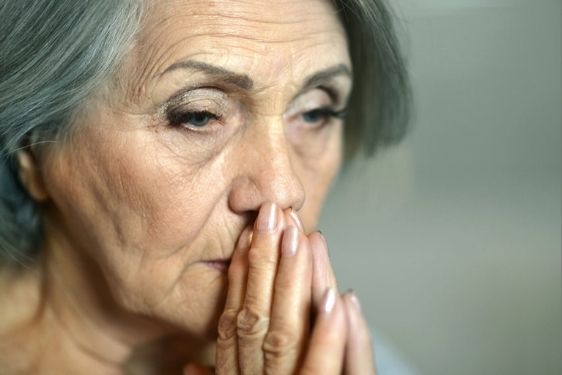
There is no settlement that replaces a person.
A wrongful death case cannot undo what happened.
What it can do is determine why the death occurred, who was legally responsible, what insurance and assets may be available, and what Nevada law allows surviving family members and the estate to recover.
Ryan Alexander and his team help families throughout Las Vegas investigate fatal accidents and other incidents caused by the wrongful acts or negligence of others.
What Types of Wrongful Death Cases Do We Handle?
Fatal Car Accidents
A driver causes a crash through speeding, distraction, impairment, unsafe turning, failure to yield, or another negligent act.
Truck & Commercial Vehicle Deaths
A fatal crash involving an 18-wheeler, delivery truck, company vehicle, or commercial driver may involve employers, vehicle owners, contractors, and commercial insurance.
Motorcycle Deaths
Motorcyclists can suffer fatal injuries because they have little physical protection from larger vehicles.
Pedestrian and Bicycle Deaths
Driver visibility, crosswalk rules, speed, roadway design, surveillance footage, and right-of-way evidence may become critical.
Uber & Lyft Accidents
Rideshare insurance can depend on what the driver was doing in the application when the crash occurred.
Dangerous Property Conditions
Fatal falls or other incidents at casinos, hotels, businesses, apartments, or other properties can raise premises-liability issues.
Defective Products
A dangerous product, component, vehicle, battery, machine, or safety system may potentially cause fatal injuries.
Medical Malpractice
A death caused by professional negligence is subject to Nevada's specialized medical-malpractice laws, including different deadlines, expert requirements, and damages rules.
Nursing Home Abuse and Neglect
Fatal injuries involving falls, pressure injuries, dehydration, medication problems, abuse, or other care failures may require both medical and facility-record investigation.
Who Can File a Wrongful Death Claim in Nevada?
The Decedent's Heirs
For purposes of Nevada's wrongful-death statute, an “heir” is generally someone who would be entitled under Nevada intestacy law to inherit the decedent's separate property if the person had died without a will.
That can potentially include a surviving:
spouse
domestic partner
child
parent
other qualifying relative
depending on the family structure.
The existence of a will does not itself define who qualifies as an “heir” for this particular statute. Nevada uses its intestate-succession rules for that determination.
The Personal Representative
The executor or administrator responsible for the decedent's estate can also maintain a wrongful-death claim on behalf of the estate.
The heirs' claims and the estate's claim arise from the same death but can involve different damages. Nevada law expressly allows related claims arising from the same wrongful conduct to be joined.
Does Probate Have to Be Opened?
Sometimes an estate representative must be formally appointed in order to pursue the estate's portion of the claim.
That can involve probate or another appropriate estate proceeding depending on the circumstances. But Nevada separately gives qualifying heirs their own statutory wrongful-death claims.
That distinction can matter when a settlement occurs quickly but estate administration takes considerably longer.
The appropriate structure depends on:
whether an estate exists
whether a personal representative has been appointed
which heirs qualify
what damages are being pursued
how any settlement will be distributed
Those issues should be worked through before a final settlement is completed.
Frequently Asked Questions
What If the Death Did Not Happen Immediately?
A wrongful-death claim does not require someone to die at the scene. A person may survive for hours, days, weeks, or months before ultimately dying from injuries caused by the incident.
Medical evidence then becomes particularly important. The investigation must establish whether the original injury legally and medically caused or contributed to the eventual death.
Expenses incurred between the injury and death may also become part of the estate's damages under Nevada law.
What If the Person Had Serious Health Problems Before the Accident?
Preexisting medical conditions do not automatically eliminate a wrongful-death case. The question is causation.
For example, someone may already have:
- heart disease
- cancer
- diabetes
- mobility limitations
- advanced age
- another serious illness
and still die earlier because of a traumatic injury or negligent medical care.
What If Your Loved One Was Partially at Fault?
Partial responsibility does not necessarily eliminate a Nevada wrongful-death claim. Nevada's comparative-negligence statute applies to actions seeking damages for death as well as personal injury.
If the decedent's negligence was not greater than the negligence of the defendant or combined defendants from whom recovery is sought, recovery may still be possible, although damages can be reduced according to the decedent's percentage of negligence.
How Much Is a Wrongful Death Case Worth?
There is no responsible way to assign a value from the fact of death alone. Two fatal accidents can have radically different case values. The amount of insurance available can matter enormously.
Get In Touch
Email: [email protected]
Office Hours
Mon – Fri: 8:00am – 5:00pm
Sat – Sun: CLOSED
Attorney Ryan Alexander
3017 West Charleston Blvd, Ste 10
Las Vegas, Nevada 89102
Phone Number: (702) 333-8888

Located on W. Charleston Blvd. in Las Vegas, near Rancho Dr.


© 2026 | Attorney Ryan Alexander - All Rights Reserved