
Las Vegas Construction Accident Lawyer
Hurt on a Construction Site?
Hurt on a Construction Site?
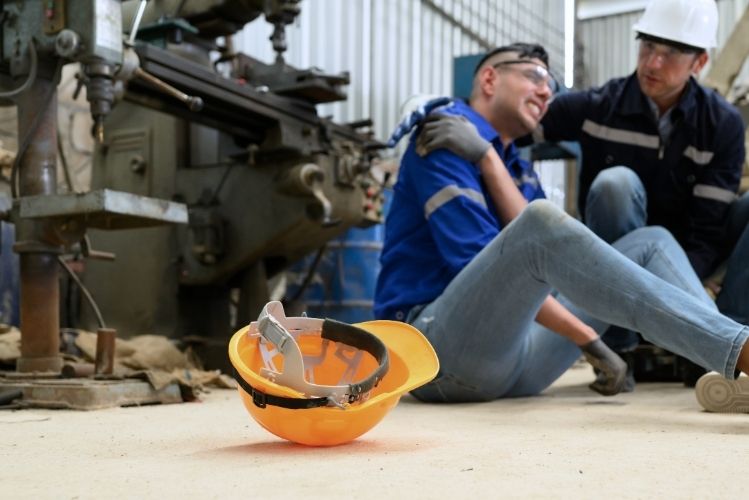
Construction sites bring workers, subcontractors, equipment operators, delivery companies, property owners, engineers, vendors, and multiple businesses into the same environment.
When someone gets seriously hurt, determining responsibility can be much more complicated than identifying the company printed on a hard hat.
A construction injury may involve workers’ compensation. But when another person or company outside the protected employment relationship contributed to the accident, there may also be a separate third-party personal-injury claim.
Ryan Alexander and his team help investigate serious Las Vegas construction accidents, identify potentially responsible parties, preserve evidence, and determine what insurance and recovery options may be available.
What Types of Construction Accidents Do We Investigate?
Falls From Heights
Workers may fall from:
- roofs
- elevated floors
- platforms
- structural steel
- scaffolding
- ladders
- aerial lifts
- unfinished buildings
Serious falls can cause traumatic brain injuries, spinal injuries, fractures, or death
Scaffolding Accidents
Potential issues can involve:
- improper assembly
- inadequate guardrails
- unstable platforms
- overloading
- defective components
- inadequate access
- falling materials
- insufficient fall protection
The investigation may involve the company that erected the scaffold, the company using it, the equipment supplier, and other parties.
Ladder Accidents
A ladder accident may involve:
- defective equipment
- improper setup
- unstable surfaces
- incorrect ladder type
- damaged components
- inadequate training
- unsafe positioning
The ladder itself should be preserved when a defect or failure may have contributed to the accident.
Falling Object Accidents
Workers can be struck by:
- tools
- building materials
- debris
- steel
- equipment
- suspended loads
- improperly secured objects
The investigation may examine where the object came from, who controlled the work above, and what safety systems were supposed to be in place.
Heavy Equipment Accidents
Construction projects frequently involve:
- excavators
- bulldozers
- loaders
- forklifts
- backhoes
- graders
- dump trucks
- aerial lifts
- compactors
Potential issues may include operator error, blind spots, defective equipment, poor communication, inadequate traffic control, or improper maintenance.
Crane and Rigging Accidents
Crane incidents can involve:
- dropped loads
- rigging failures
- crane collapse
- improper signaling
- overloading
- unstable setup
- contact with power lines
- mechanical failure
These cases can involve several companies and highly technical evidence.
Trench and Excavation Accidents
Excavations can create risks involving:
- cave-ins
- collapsing soil
- falling materials
- equipment operating near edges
- underground utilities
- hazardous atmospheres
OSHA includes excavation hazards within its caught-in/between construction-safety resources.
Electrical Accidents
Workers may suffer:
- electrical shock
- burns
- arc-flash injuries
- falls caused by shock
- electrocution
Electrical cases can involve temporary wiring, power tools, utility lines, energized equipment, or failures to properly control electrical hazards.
Caught-In Machinery Accidents
Machines without appropriate guarding or control procedures can pull clothing, limbs, or workers into moving components. These incidents can result in:
- amputations
- crushing injuries
- fractures
- nerve damage
- fatal injuries
Construction Vehicle Accidents
Workers may be hit by:
- dump trucks
- delivery vehicles
- forklifts
- pickups
- loaders
- utility vehicles
- commercial trucks
A separate motor-vehicle liability policy or commercial insurance policy may become part of the investigation.
Can You Sue Your Employer After a Construction Accident?
Usually, not through an ordinary negligence lawsuit when the injury is covered by Nevada workers’ compensation.
NRS 616A.020 generally makes workers’ compensation the exclusive remedy against an employer for an accidental injury arising out of and in the course of employment.
That system is different from a third-party personal-injury case.
A worker does not necessarily have to prove that the employer was negligent to pursue workers’ compensation benefits. But workers’ compensation also does not provide exactly the same types of damages available in an ordinary tort claim.
The more important question after a serious construction accident is often:
Was someone outside the protected employment relationship also responsible?
That is where a separate personal-injury investigation may become important.
What If You Were Not a Construction Worker?
You do not have to be employed in construction to be injured because of construction activity.
Potential victims may include:
pedestrians
motorists
nearby residents
customers
hotel guests
visitors
delivery drivers
other members of the public
For example, someone may be injured by:
falling construction debris
an improperly secured work zone
a construction vehicle
dangerous temporary walkways
equipment extending into traffic
unsafe barriers
construction materials
excavation hazards
In those situations, workers’ compensation may not be part of the case at all. The matter may instead proceed as an ordinary negligence, premises-liability, motor-vehicle, or product-liability claim depending on the circumstances.
Frequently Asked Questions
Can I sue my employer after a construction accident?
Nevada workers’ compensation generally provides the exclusive remedy against an employer for a covered workplace injury.
Can I sue another company working on the site?
Possibly, but construction projects require special analysis. Nevada workers’ compensation law can treat subcontractors and their employees as employees of the principal contractor for workers’ compensation purposes, which can affect who legally qualifies as a third party.
Can I have workers’ compensation and a personal-injury case?
Potentially. Nevada law permits certain tort actions when a workplace injury was caused by someone other than the employer or a person in the same employ. The workers’ compensation insurer may have statutory rights relating to a third-party recovery.
Does an OSHA violation mean I automatically have a lawsuit?
No. OSHA findings can become relevant evidence, but the civil claim still requires its own liability and causation analysis.
How quickly do I need to report a work injury?
Nevada generally requires written workplace-injury notice as soon as practicable and within seven days after the accident.
How much is my construction accident case worth?
There is no standard amount. Injury severity, future medical needs, earning capacity, third-party liability, employment relationships, insurance, workers’ compensation liens, and the strength of the evidence can all affect value.
Get In Touch
Email: [email protected]
Office Hours
Mon – Fri: 8:00am – 5:00pm
Sat – Sun: CLOSED
Attorney Ryan Alexander
3017 West Charleston Blvd, Ste 10
Las Vegas, Nevada 89102
Phone Number: (702) 333-8888

Located on W. Charleston Blvd. in Las Vegas, near Rancho Dr.


© 2026 | Attorney Ryan Alexander - All Rights Reserved