
Las Vegas Slip & Fall / Premises Liability Lawyer
Hurt on Someone Else’s Property?
The Question Is What Made the Property Unsafe.
Hurt on Someone Else’s Property?
The Question Is What Made the Property Unsafe.
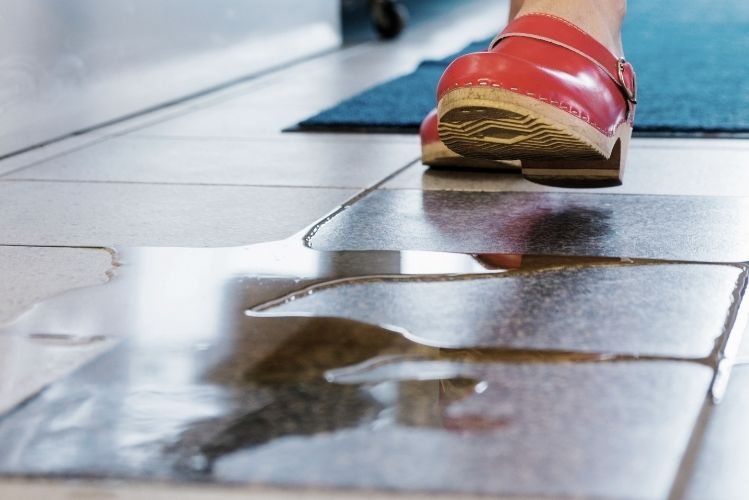
A fall can happen in seconds.
A wet casino floor. A broken stair. Poor lighting. Uneven pavement. A spill in a grocery store. But proving a premises-liability case can be much more complicated than proving that an accident happened.
The investigation may need to determine what caused the fall, who created the condition, how long it existed, who knew about it, and what the property owner or business reasonably should have done about it.
Ryan Alexander and his team help people injured on unsafe properties throughout Las Vegas investigate those questions, preserve evidence, and pursue compensation when another party may be legally responsible.
What Types of Premises Liability Cases Do We Handle?
Wet and Slippery Floors
Spilled drinks, recently cleaned floors, leaking equipment, tracked-in water, and other substances can create dangerous walking surfaces.
Casino and Hotel Falls
Las Vegas casinos and resorts can involve crowded floors, restaurants, pools, escalators, convention spaces, hotel corridors, parking areas, and other high-traffic environments.
Grocery Store and Retail Falls
Produce, liquids, merchandise, packaging, floor mats, carts, displays, and other hazards may cause shoppers to fall.
Uneven Walkways and Flooring
Broken pavement, uneven transitions, damaged tile, loose flooring, holes, and unexpected elevation changes may create tripping hazards.
Stairway Accidents
Broken steps, loose handrails, poor lighting, improper maintenance, or other dangerous stair conditions may cause serious injuries.
Parking Lot and Garage Accidents
Potholes, wheel stops, poor lighting, debris, water, damaged pavement, and unsafe walking routes can create hazards.
Falling Merchandise or Objects
Improperly stacked merchandise, equipment, signs, fixtures, or other objects may fall and injure customers.
Apartment and Residential Property
Landlords, management companies, maintenance contractors, or others may potentially bear responsibility for certain dangerous conditions in common areas.
A Slip and Fall Is Not Automatically the Property Owner’s Fault
An injury occurring on someone else’s property does not automatically create a valid claim.
The evidence still matters.
Nevada courts have long recognized that businesses owe patrons a duty to keep their premises reasonably safe, but businesses are not automatically responsible for every accident that occurs on the property. (Justia Law)
A premises-liability investigation may ask:
What dangerous condition caused the injury?
Who created it?
Did the property owner know about it?
Should the property owner reasonably have discovered it?
Was there enough time to correct it or provide a warning?
Were reasonable inspection procedures being followed?
Did the injured person also contribute to what happened?
Those questions can make the difference between an accident and a viable premises-liability claim.
What If You Were Looking at Your Phone or Not Watching the Floor?
The insurance company may argue that you contributed to the accident. Nevada follows comparative negligence.
Under NRS 41.141, a plaintiff's own negligence does not bar recovery as long as it is not greater than the negligence of the defendant or combined defendants. A recovery can then be reduced according to the plaintiff's percentage of fault. (Nevada Legislature)
That can become relevant if the property owner argues that you:
were distracted
ignored a warning
failed to watch where you were walking
wore inappropriate footwear
knowingly encountered the condition
Those arguments do not automatically decide the case. The conduct of both sides has to be evaluated.
Frequently Asked Questions
Is a property owner automatically responsible if I fall?
No. The fact that an accident occurred does not automatically establish negligence. The dangerous condition, responsibility for it, notice, and other facts need to be investigated.
Do I need to prove the store knew about the spill?
Often the notice issue is important. If the business or its employee created the condition, different principles may apply. If someone else created it, actual or constructive notice may need to be established. Certain self-service situations can involve additional rules.
What if there was a wet-floor sign?
A warning sign is relevant, but its placement, timing, visibility, adequacy, and the surrounding circumstances still matter.
What if the danger was obvious?
Nevada does not treat an open and obvious hazard as an automatic bar to liability. It can instead factor into reasonable care and comparative negligence.
What if there is no video?
A case can potentially be established through photographs, witnesses, incident reports, maintenance records, employee testimony, physical evidence, and other information.
What if I was partly at fault?
Potentially, you may still recover under Nevada's comparative-negligence statute if your negligence was not greater than that of the defendant or combined defendants.
Can I sue a Las Vegas casino for a fall?
Potentially, depending on why the fall happened and whether the casino failed to exercise reasonable care.
How much is my slip and fall case worth?
There is no fixed amount. Liability evidence, injury severity, medical treatment, permanent effects, lost income, available insurance, comparative fault, and other circumstances can all affect value.
Get In Touch
Email: [email protected]
Office Hours
Mon – Fri: 8:00am – 5:00pm
Sat – Sun: CLOSED
Attorney Ryan Alexander
3017 West Charleston Blvd, Ste 10
Las Vegas, Nevada 89102
Phone Number: (702) 333-8888

Located on W. Charleston Blvd. in Las Vegas, near Rancho Dr.


© 2026 | Attorney Ryan Alexander - All Rights Reserved