
Las Vegas Uber & Lyft Accident Lawyer
Hurt in a Rideshare Accident?
The Insurance Question Depends on What the Driver Was Doing.
Hurt in a Rideshare Accident?
The Insurance Question Depends on What the Driver Was Doing.
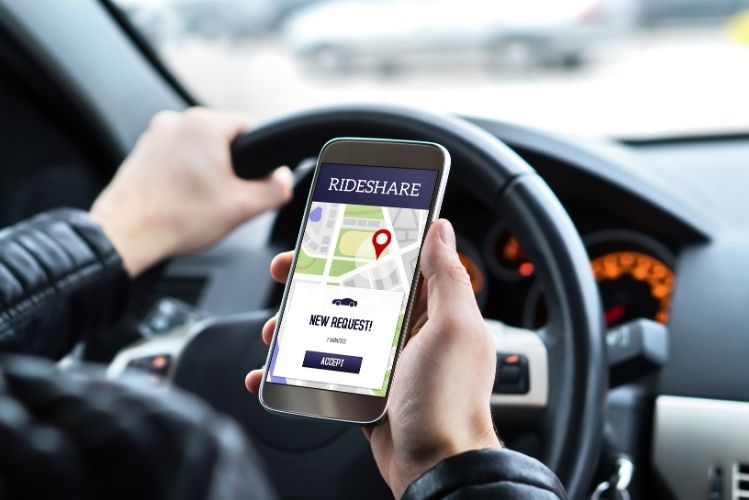
An Uber or Lyft accident may look like an ordinary car crash. Legally and financially, it can be much more complicated.
The insurance coverage may change depending on whether the rideshare driver was:
offline,
logged into the app waiting for a ride,
traveling to pick up a passenger, or
actively transporting a passenger.
Ryan Alexander and his team help people injured in Las Vegas rideshare accidents determine what happened, identify the insurance coverage that may apply, and pursue compensation from the responsible parties.
Why Uber and Lyft Accident Claims Are Different
A rideshare accident can involve several layers at once:
the rideshare driver
the driver's personal auto insurer
transportation network company insurance
another driver
another driver's insurance
passengers
uninsured or underinsured motorist issues
potentially multiple injured people
That means the first question is not simply: “Who caused the crash?”
It is also: “What was the rideshare driver doing when it happened?”
That can determine which insurance policy and coverage limits come into play.
What Evidence Matters in an Uber or Lyft Accident?
App Records
The driver's app status can help establish what insurance phase applied.
Trip Information
Pickup location, destination, ride acceptance, and trip timestamps may become important.
GPS Data
Location and movement information can help establish where the driver was and what the vehicle was doing.
Driver Communications
Messages, notifications, or app activity may become relevant depending on the circumstances.
Dashcam Video
Some rideshare drivers use interior or exterior dash cameras.
Surveillance Video
Casinos, hotels, apartment buildings, businesses, parking garages, and intersections throughout Las Vegas may have recorded the collision.
Witnesses
Passengers and independent witnesses may provide important accounts of what occurred.
Vehicle Damage
Damage patterns can help reconstruct the impact.
What If the Uber or Lyft Driver Leaves After the Crash?
Preserve everything you have in the app.
That may include:
driver's name
vehicle description
license plate
trip receipt
pickup and destination
ride timestamp
messages
screenshots
You should also report the accident through the appropriate channels and preserve any police or insurance documentation. The rideshare platform's records may become an important part of identifying the correct driver, vehicle, and coverage.
Frequently Asked Questions
Does Uber or Lyft provide insurance in Nevada?
Nevada law requires specified liability coverage during rideshare activity. The amount depends on the driver's activity within the app.
How much coverage is available when I am riding as a passenger?
Nevada currently requires at least $1.5 million per accident while the driver is providing transportation services, including after accepting a ride and while transporting the passenger.
What if the driver was logged into the app but had not accepted a ride?
Nevada currently requires at least $50,000 per person, $100,000 per accident for bodily injury, and $25,000 for property damage during that phase.
What if another driver caused the accident?
That driver's liability policy may be involved, and additional rideshare-related coverage should also be evaluated depending on the circumstances.
Can an Uber passenger be blamed for the crash?
Passengers usually do not control either vehicle, although every case depends on its facts. Liability is generally investigated among the drivers and other potentially responsible parties.
What if I was injured getting out of the Uber?
You may still have a potential claim depending on how and why the injury occurred.
What if the driver was working for both Uber and Lyft?
The app activity, accepted trip, and applicable policies need to be investigated.
How much is my rideshare accident worth?
There is no standard amount. Injury severity, medical care, insurance coverage, liability, lost income, long-term effects, and the evidence all matter.
Get In Touch
Email: [email protected]
Office Hours
Mon – Fri: 8:00am – 5:00pm
Sat – Sun: CLOSED
Attorney Ryan Alexander
3017 West Charleston Blvd, Ste 10
Las Vegas, Nevada 89102
Phone Number: (702) 333-8888

Located on W. Charleston Blvd. in Las Vegas, near Rancho Dr.


© 2026 | Attorney Ryan Alexander - All Rights Reserved