
Las Vegas Medical Malpractice Lawyer
A Bad Medical Outcome Is Not Always Malpractice.
But Sometimes the Care Deserves a Closer Look.
A Bad Medical Outcome Is Not Always Malpractice.
But Sometimes the Care Deserves a Closer Look.
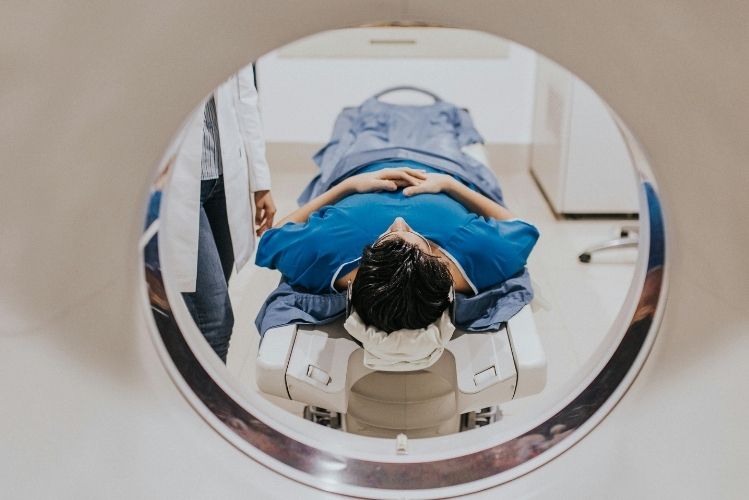
Patients depend on doctors, nurses, hospitals, surgical centers, and other health-care professionals during some of the most vulnerable moments of their lives.
Most medical treatment carries some risk, and not every complication means someone did something wrong.
But when a provider fails to use the reasonable care, skill, or knowledge expected from similarly trained and experienced health-care professionals, and that failure causes injury, the situation may involve professional negligence under Nevada law.
Ryan Alexander and his team help patients and families investigate possible medical malpractice, evaluate the records and medical evidence, and determine whether the facts support a claim.
What Types of Medical Malpractice Cases Do We Investigate?
Surgical Errors
Potential issues may include:
- operating on the wrong location
- damaging surrounding structures
- failing to recognize a complication
- improper surgical technique
- leaving an unintended object inside the patient
- postoperative failures
Misdiagnosis
A provider diagnoses the wrong condition, potentially leading to unnecessary treatment while the actual disease remains untreated.
Delayed Diagnosis
A condition may have been detectable earlier but was not recognized or appropriately investigated.
Failure to Diagnose
Cancer, infection, cardiovascular disease, stroke, and other serious conditions can worsen substantially when appropriate diagnosis is delayed.
Medication Errors
Potential problems include:
- wrong medication
- incorrect dosage
- dangerous drug interactions
- failure to review allergies
- administration to the wrong patient
- inadequate monitoring
Anesthesia Errors
Anesthesia-related cases may involve dosing, monitoring, airway management, medication reactions, or other complications requiring specialized expert review.
Emergency Room Errors
Emergency medicine often involves rapid decisions, but providers must still meet the applicable standard of care under the circumstances.
Birth and Obstetrical Injuries
Cases may involve prenatal care, labor monitoring, delivery decisions, fetal distress, surgical intervention, or postpartum complications.
Hospital Negligence
Depending on what occurred, hospitals may face questions involving professional care, systems, staffing, monitoring, communication, or providers furnishing services within the facility.
Who Can Be a “Provider of Health Care” Under Nevada Malpractice Law?
Nevada's current statutory definition includes numerous licensed professionals and entities, including certain:
physicians
physician assistants
nurses
dentists
physical therapists
psychologists
chiropractors
podiatric physicians
licensed hospitals
clinics
surgery centers
physician professional corporations
group practices
The exact statutory definition matters because Nevada's specialized professional-negligence rules apply to qualifying providers and claims.
Not every injury that happens inside a hospital is necessarily medical malpractice. The nature of the alleged negligent conduct matters.
Was It Medical Malpractice or Ordinary Negligence?
Sometimes the distinction is clear.
Other times it is not.
For example:
A doctor making an incorrect medical judgment may implicate professional negligence.
But an injury involving a condition unrelated to medical judgment could potentially raise an ordinary-negligence issue instead.
The distinction matters because medical-malpractice claims are subject to specialized Nevada requirements, including expert support and filing rules.
The label placed on the claim is not necessarily controlling. The underlying conduct must be examined.
Frequently Asked Questions
Is every medical mistake malpractice?
No. A viable professional-negligence claim generally requires a departure from the applicable standard of care that caused injury or death.
Do I need a medical expert?
Most Nevada medical-malpractice cases require expert medical evidence. Nevada also generally requires an appropriate expert affidavit when a professional-negligence lawsuit is filed in district court.
Can I file first and find an expert later?
That can create a serious problem. NRS 41A.071 directs Nevada district courts to dismiss a professional-negligence action filed without the required supporting expert affidavit.
What is Nevada's medical malpractice cap in 2026?
The maximum noneconomic-damages award for 2026 is $590,000. It does not represent a cap on all economic losses.
Are medical bills capped at $590,000?
No. NRS 41A.035 applies to noneconomic damages. Nevada separately defines economic damages to include qualifying medical treatment, care, lost earnings, and loss of earning capacity.
How long do I have to file?
For injuries occurring on or after October 1, 2023, Nevada generally applies a deadline of three years from the injury or two years from discovery or when the injury reasonably should have been discovered, whichever occurs first, subject to statutory exceptions.
Does signing a consent form prevent a malpractice case?
Not automatically. Consent to a procedure and negligence in performing or managing the procedure are separate issues. Nevada law specifically addresses informed consent requirements.
What if another doctor tells me the first doctor made a mistake?
That can be useful information, but a malpractice claim still requires appropriate legal and expert evaluation of the standard of care, causation, and damages.
How much is my medical malpractice case worth?
There is no fixed amount. Injury severity, additional medical expenses, future care, lost earning capacity, causation, expert evidence, the number of responsible providers, applicable insurance, and Nevada's noneconomic-damages limitation can all affect value.
Get In Touch
Email: [email protected]
Office Hours
Mon – Fri: 8:00am – 5:00pm
Sat – Sun: CLOSED
Attorney Ryan Alexander
3017 West Charleston Blvd, Ste 10
Las Vegas, Nevada 89102
Phone Number: (702) 333-8888

Located on W. Charleston Blvd. in Las Vegas, near Rancho Dr.


© 2026 | Attorney Ryan Alexander - All Rights Reserved